Most print issues aren’t caused by broken equipment or bad ink. They come from small habits that feel harmless in the moment — but quietly cost time, quality, and consistency as jobs stack up.
1. Sending Unchecked Artwork Straight to Film
When artwork isn’t reviewed early, small issues turn into big production problems. Thin lines, soft edges, and overcrowded details don’t fix themselves once the screen is burned.
What you can do:
-
Clean up files before output
-
Adjust detail levels to match mesh choice
-
Catch problems before exposure, not after
2. Letting Mesh Choice Be an Afterthought
Mesh affects more than ink flow — it controls detail, opacity, and feel. Treating mesh as an afterthought limits how much control you have over the final print.
What you can do:
-
Choose mesh intentionally based on design and ink
-
Increase mesh to reduce heavy prints
-
Change mesh before changing pressure
3. “Fixing” Prints by Constantly Adjusting the Press
When prints don’t look right, it’s tempting to tweak everything at once. That usually creates inconsistency instead of improvement.
What you can do:
-
Set off-contact once and leave it alone
-
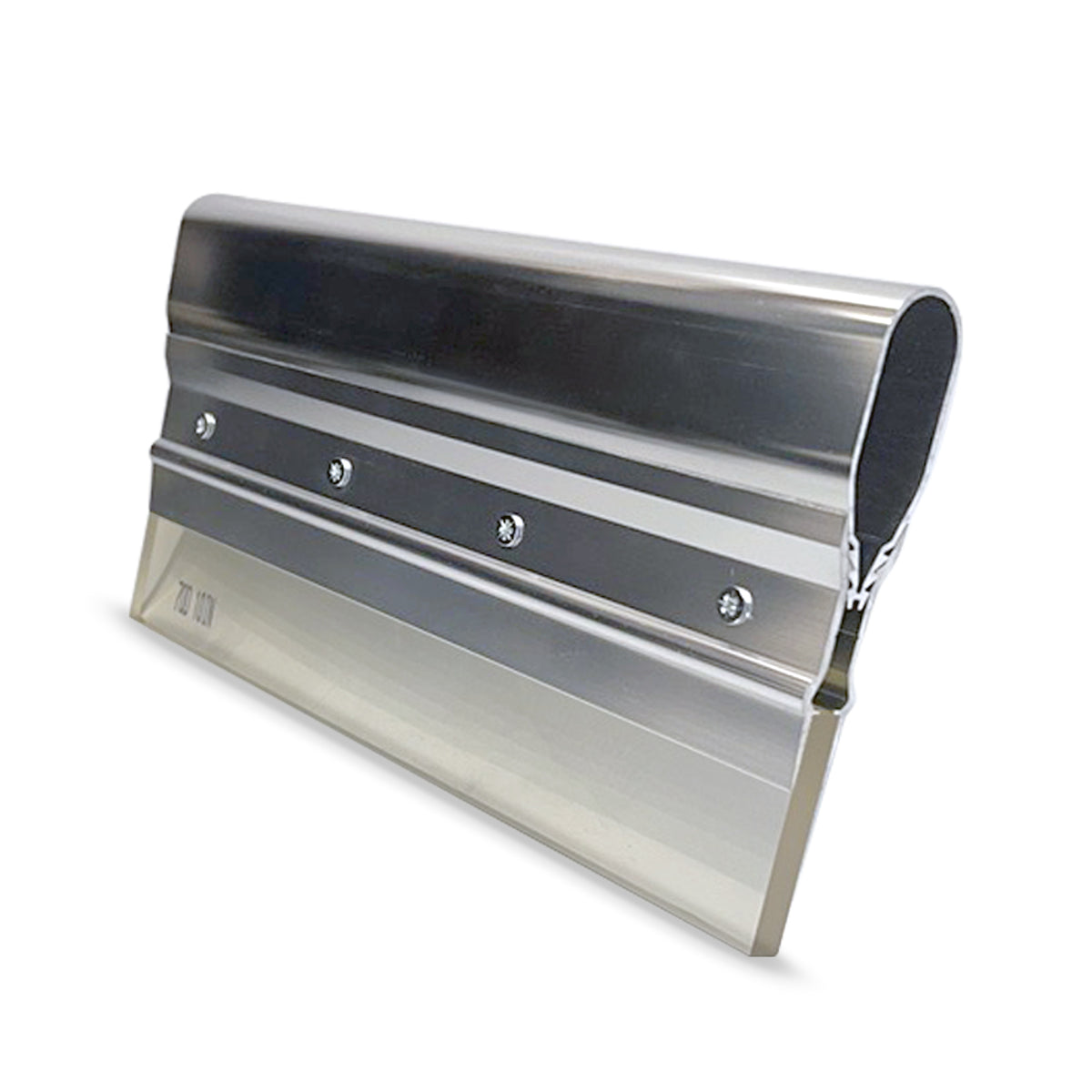
Keep squeegee angle and pressure consistent
-
Adjust one variable at a time
4. Treating Heat as a Guess Instead of a Measurement
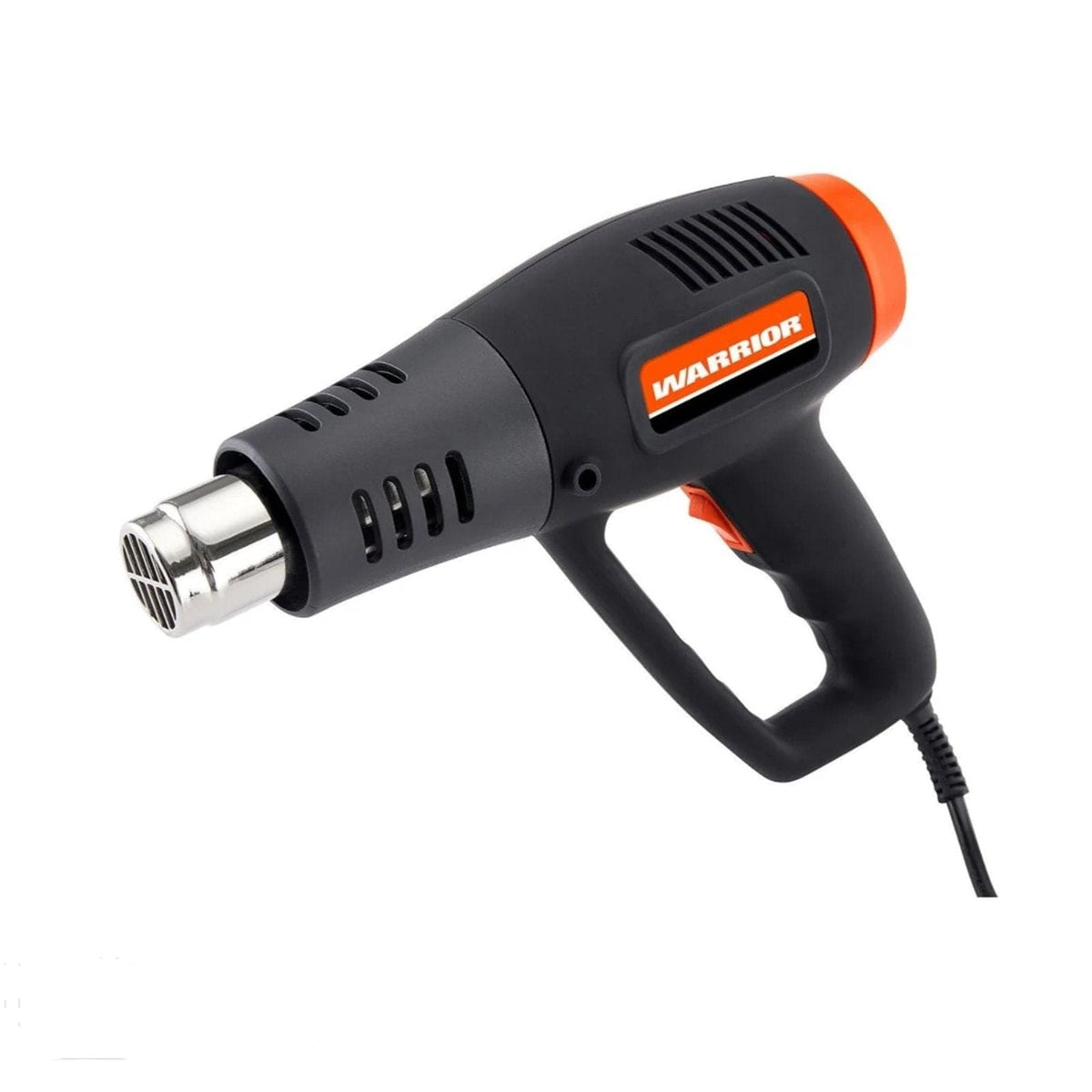
Prints can pass visual checks and still fail later. Without measured curing, durability is left to chance.
What you can do:
-
Verify temps instead of guessing
-
Cure garments evenly and fully
-
Test durability before shipping
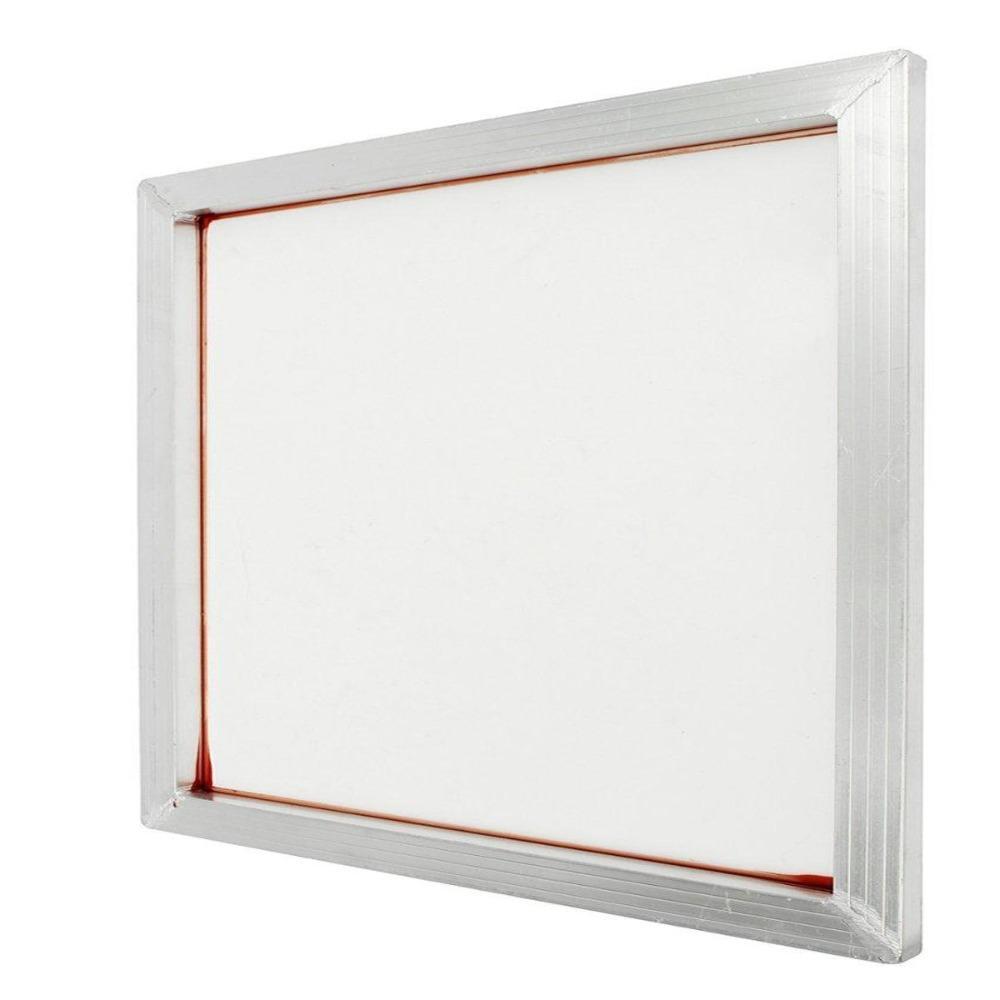
5. Running Screens Until They Become a Problem
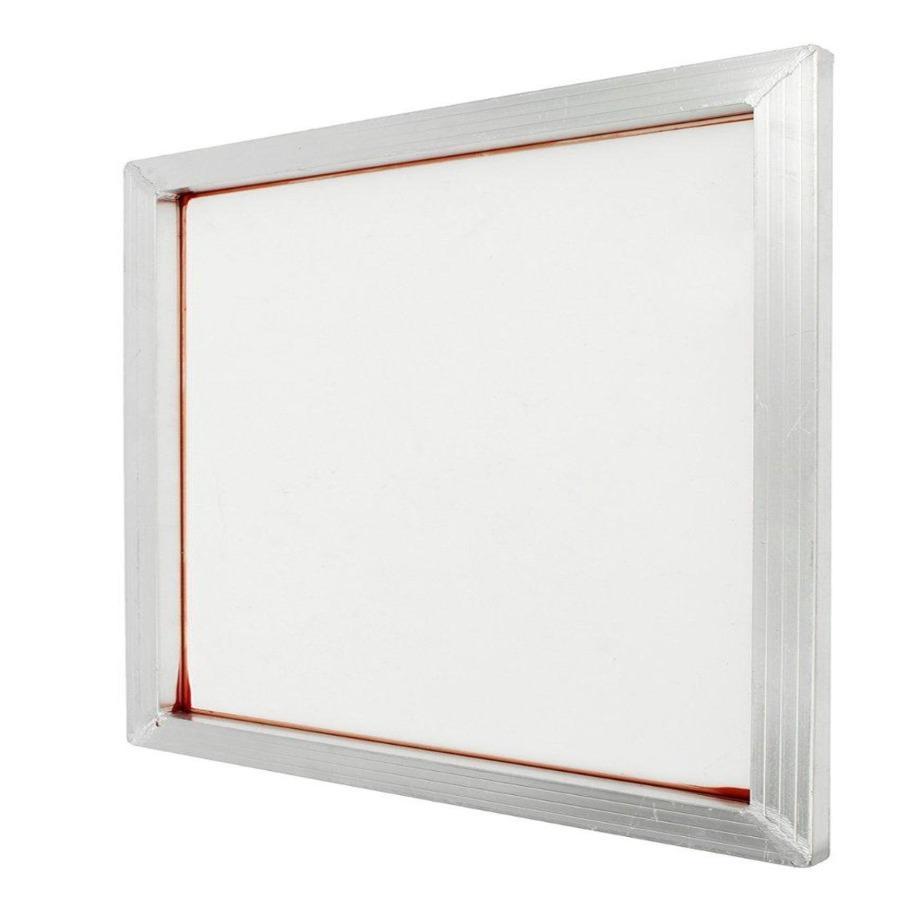
Screens don’t fail all at once — they slowly lose tension and reliability. By the time issues show up, production has already slowed.
What you can do:
-
Rotate and retire screens intentionally
-
Use consistent frame quality
-
Prep screens the same way every time
6. Pricing Work Based on Comfort, Not Reality
Comfort pricing often ignores time, setup, and overhead. Over time, this turns busy shops into stressed shops.
What you can do:
-
Build pricing around total job time
-
Include setup, breakdown, and waste
-
Charge in a way that supports growth
7. Forgetting to Capture What Worked
When successful jobs aren’t documented, improvements get lost and mistakes repeat.
What you can do:
-
Track mesh, ink, exposure, and cure settings
-
Create a reference for repeat orders
-
Let past success guide future setups