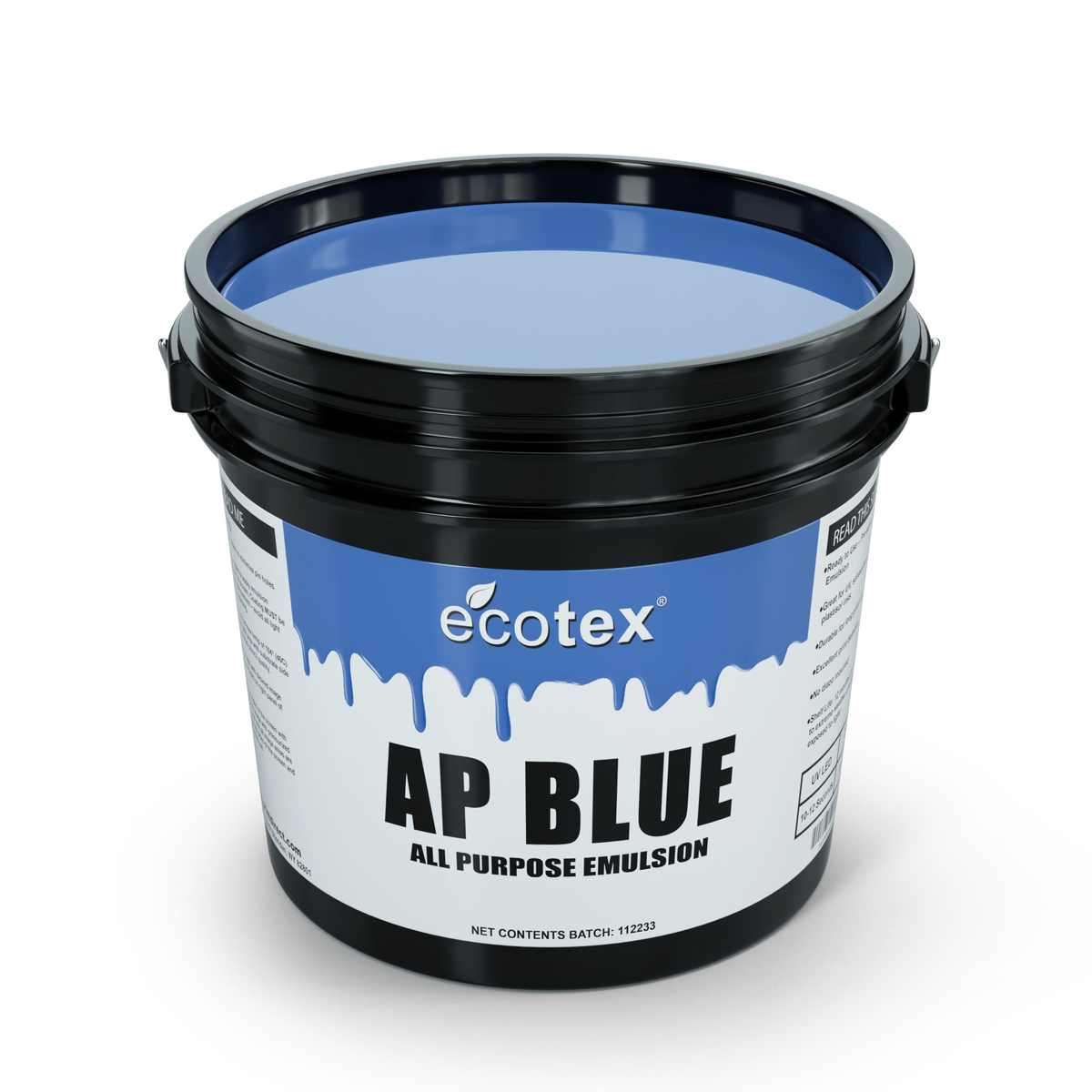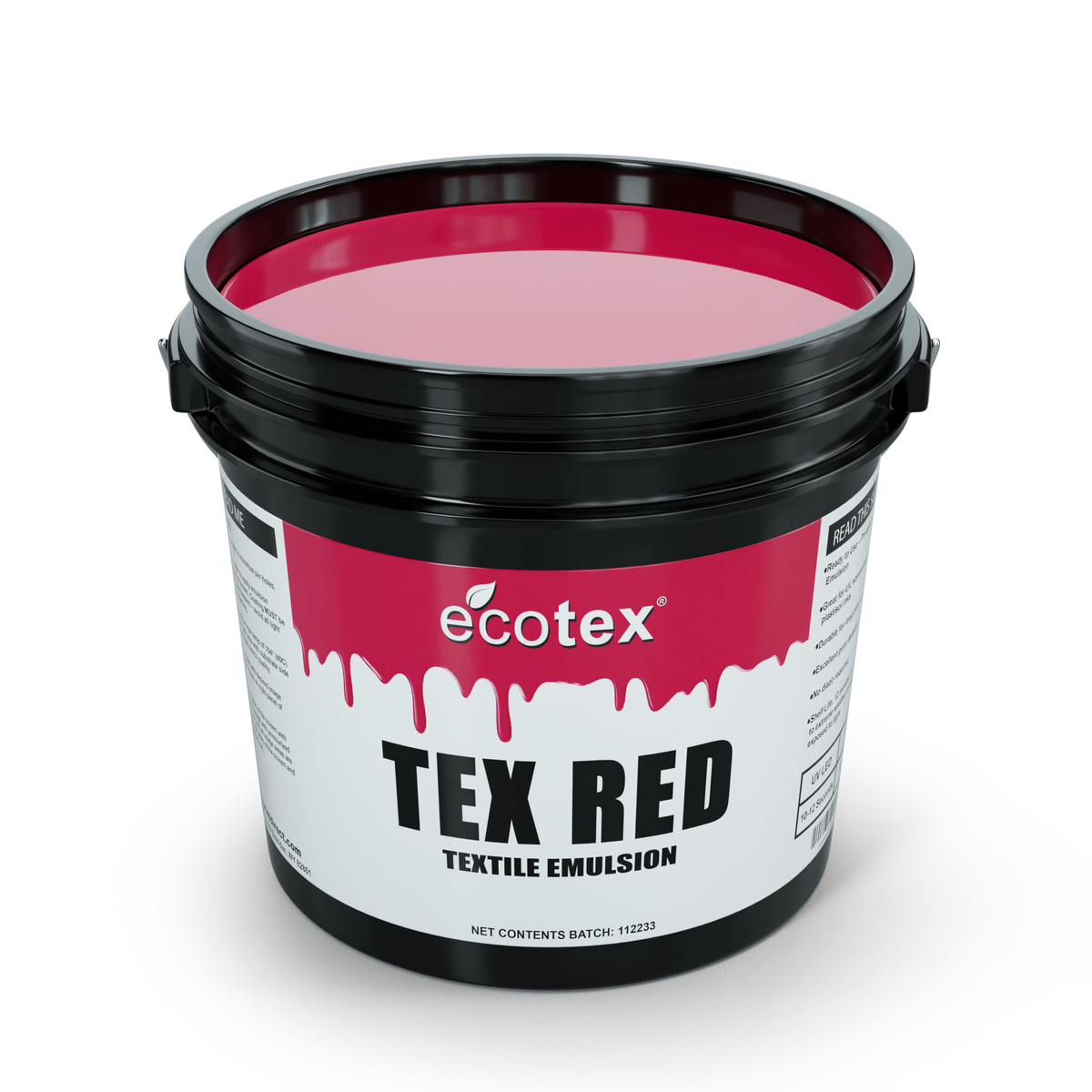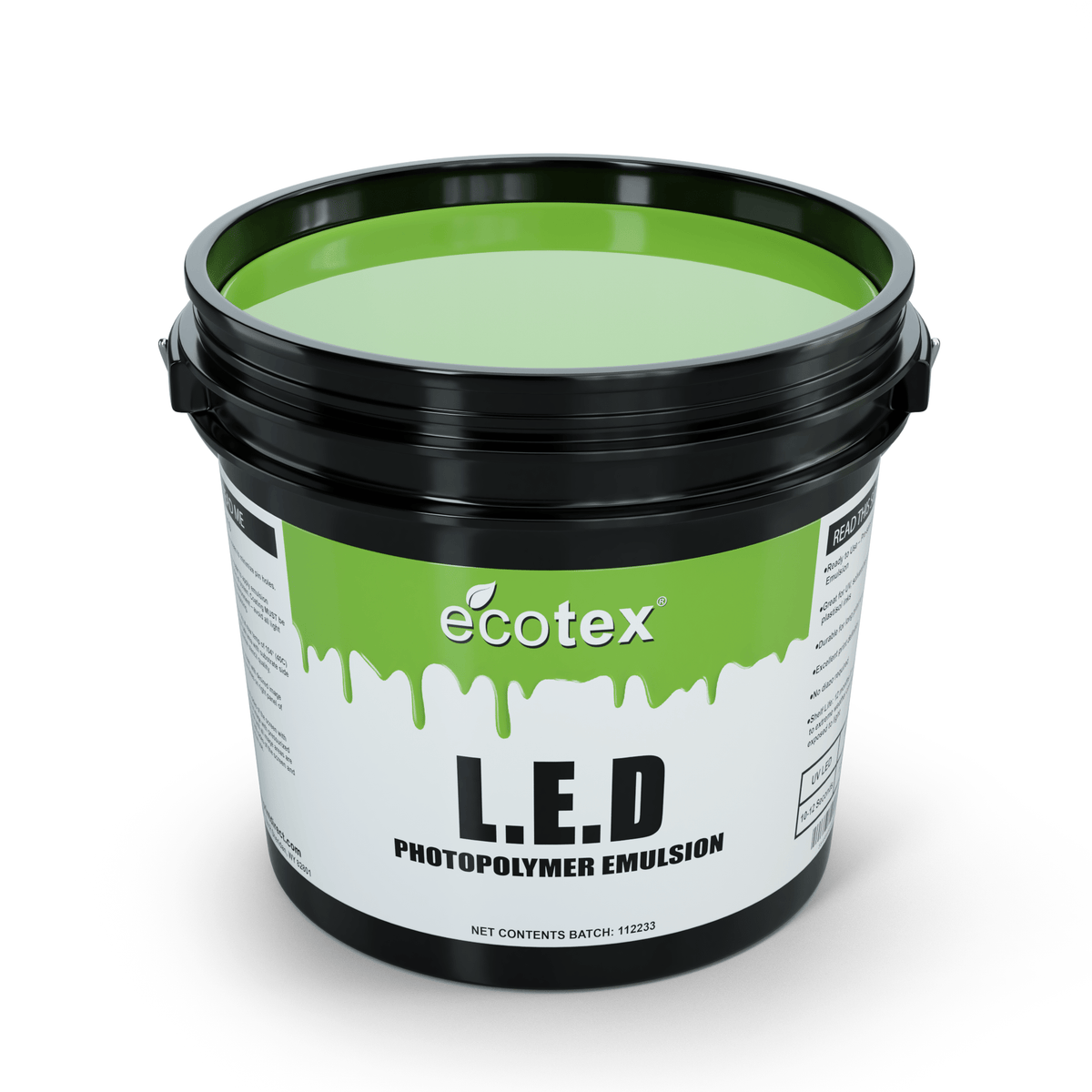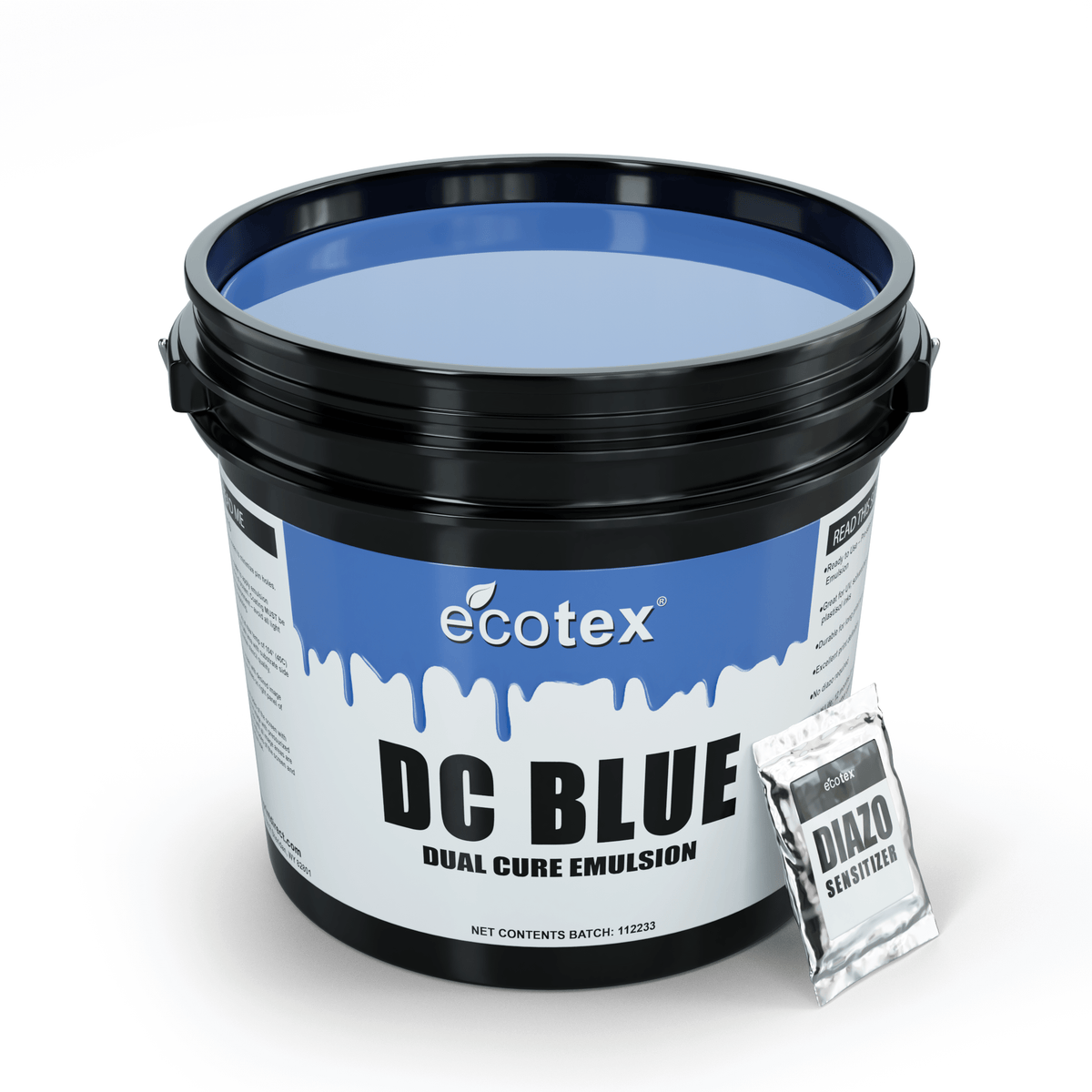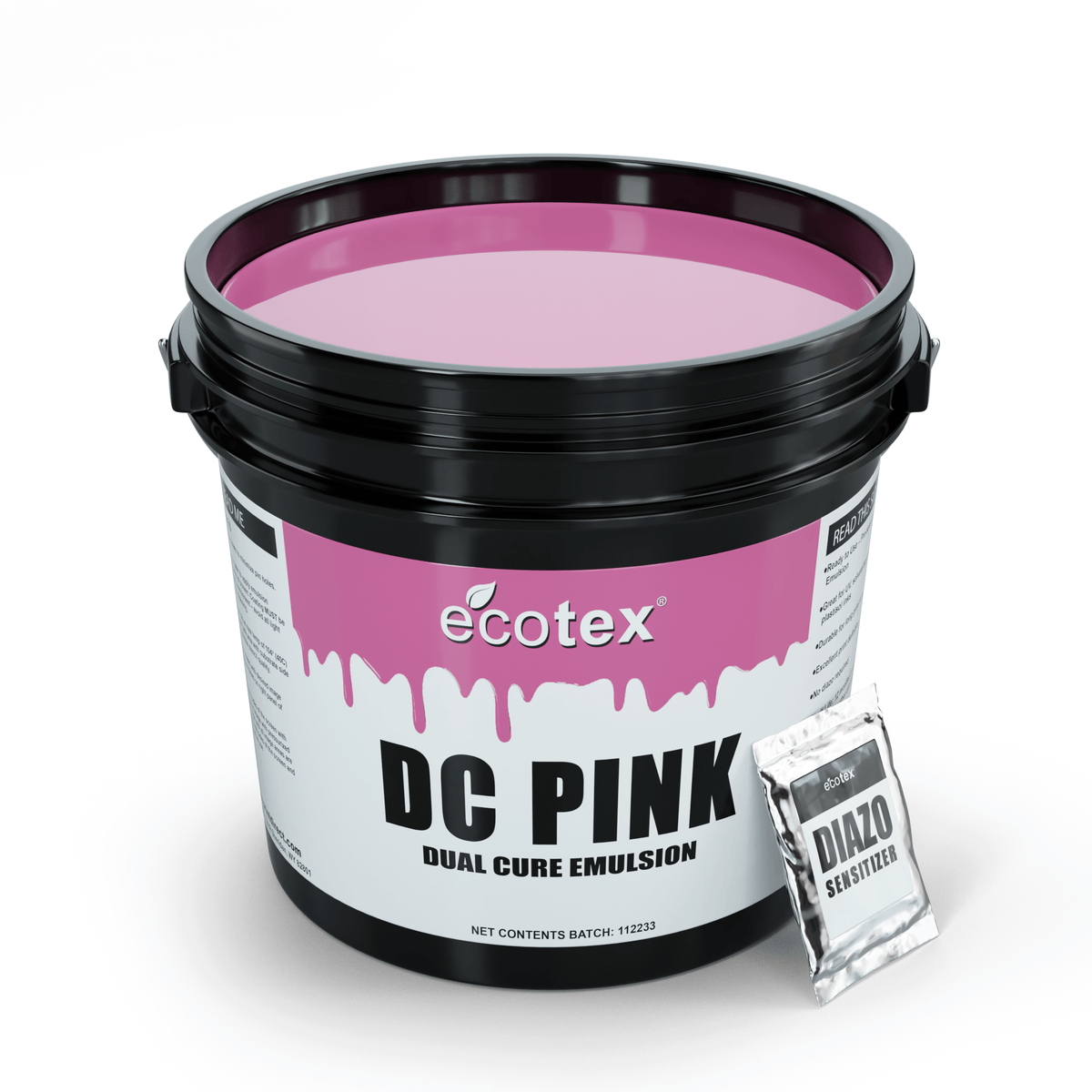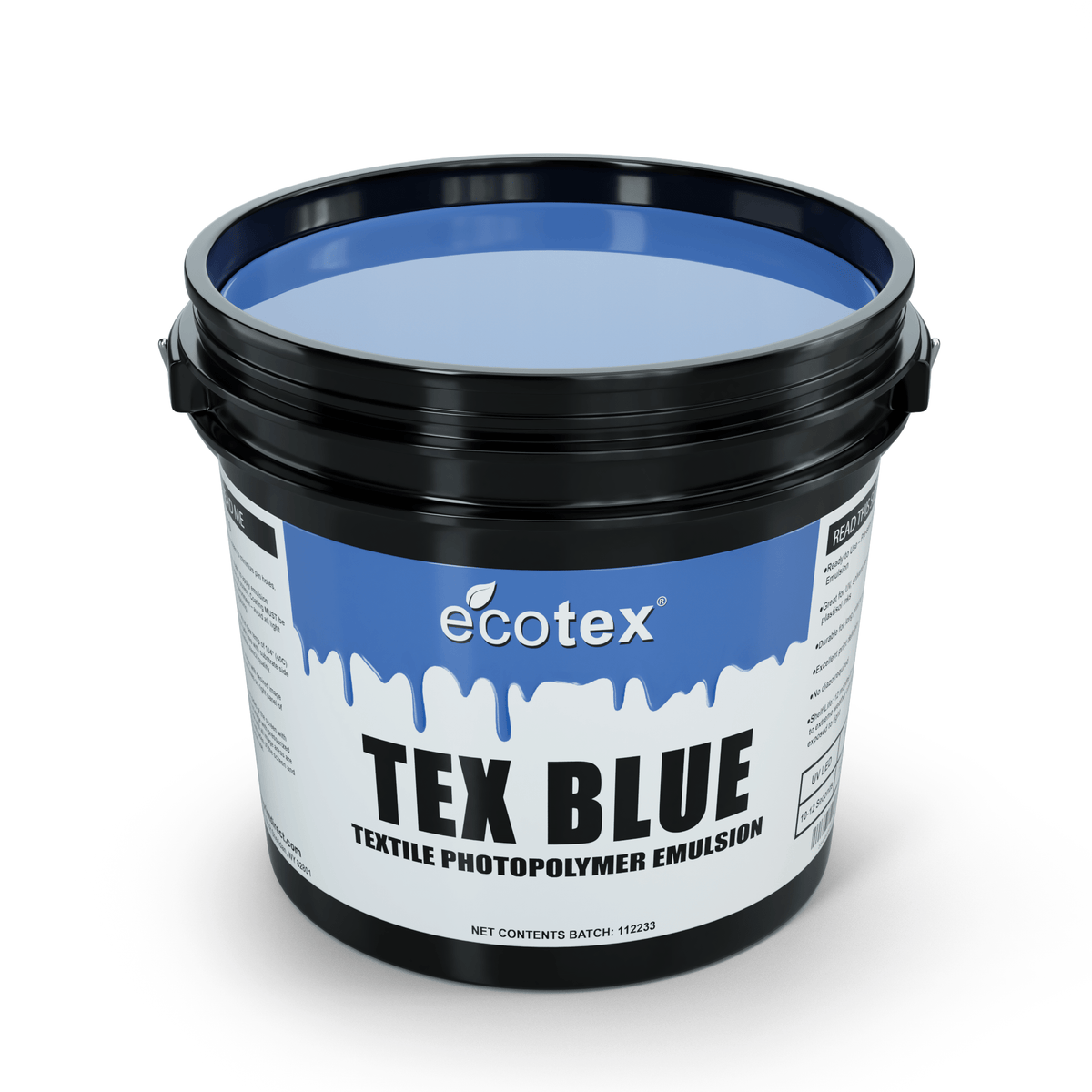
Storage tips to make every ounce count
Screen Printing 101 | Pre-Press & Stencils | Emulsion
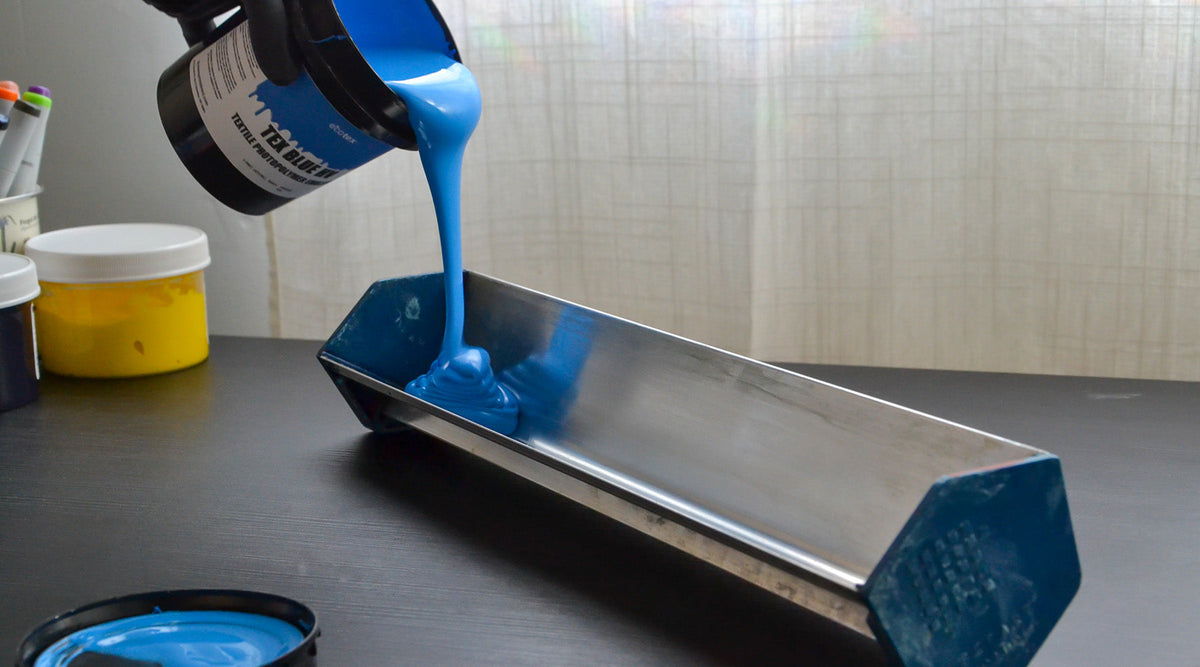
For a lot of (hobbyists, garage setups, small shops), a quart of emulsion goes a long way. Which is great, right up until you pop the lid three months later and find it's gone thick and lumpy.
Emulsion is one of those products that has a clock on it. Use it, or eventually you'll be throwing it out. The good news is that how you store it makes a huge difference in how long that clock runs. If you only coat a screen every now and then, this one is for you.
| THE WHY | Why Emulsion Goes Bad |
Emulsion is light sensitive on purpose. That's the whole point. But the same chemistry that hardens when you expose it also slowly breaks down on its own over time, even sitting in a closed tub.
Heat speeds that breakdown up. So does light getting into the container. A shop that swings from cold mornings to hot afternoons is basically fast-forwarding your emulsion's shelf life every single day.
| SHELF LIFE | How Long Emulsion Actually Lasts |
It depends on the type of emulsion and whether it's been sensitized. The big one to remember: once any 2-part emulsion is mixed with diazo, you have about 3 weeks to use it. Here's a general guide:
| Emulsion Type | Before Sensitizing | Sensitized, on the Shelf | Sensitized, in the Fridge |
|---|---|---|---|
| Diazo | About 1 year | About 3 weeks | About 6 weeks |
| Dual Cure | About 1 year | About 3 weeks | About 6 weeks |
| Photopolymer (pre-sensitized) | Ready to use | About 1 year | Longer than 1 year |
These are typical ranges. Always check the label and spec sheet for your specific emulsion.
| STORAGE | The Fridge Trick, Done Right |
If you won't be using your emulsion for a while, put it in the fridge. The cold slows the chemistry way down and puts your emulsion in hibernation mode until you need it again. A few rules to do it right:
- Use a shop fridge, not the kitchen one. Emulsion and leftovers should never share a shelf. A cheap mini fridge in the shop is perfect.
- Keep the lid tight. Air dries out the surface and forms a skin.
- Keep it in the dark. Store it in its original opaque container, or tuck it inside a box if the container lets light through.
- Let it warm up before you coat. Pull it out and let it come all the way back to room temperature before you coat a screen. Cold emulsion coats unevenly, and opening a cold tub in a warm room can pull condensation into it. Give it a couple of hours.
- Stir gently, then let it rest. Stir slowly so you don't whip air bubbles into it, then give the bubbles a few minutes to rise before coating.
| Pro Tip: Write the date you sensitized it right on the lid with a marker. Future you will not remember, and a date on the lid beats guessing every time. |
| WINTER | Fridge Yes, Freezer No |
Cold is good. Frozen is not. Most emulsions are water based, and once they freeze, the ingredients can separate and turn grainy. Thawing it out won't bring it back.
This matters more than people think in winter. Emulsion can freeze sitting in a delivery truck or on your porch if it's left out in freezing temps. If you're in a cold climate, stock up before winter hits, bring deliveries inside as soon as they arrive, and never store emulsion in an unheated garage or shed.
| CHECK IT | How to Tell If Your Emulsion Has Gone Bad |
Before you trust an old tub, give it a once-over. Signs it's past its prime:
- Color change. Sensitized diazo emulsion shifts darker and muddier as it ages.
- Texture change. Thick, gel-like, lumpy, or grainy instead of smooth.
- A heavy skin on top that doesn't stir back in.
Sometimes it looks fine but performs badly. Watch for:
- Stencils that underexpose even at your normal exposure time
- Pinholes or soft spots that break down on press
- Fine detail that won't hold or won't wash out cleanly
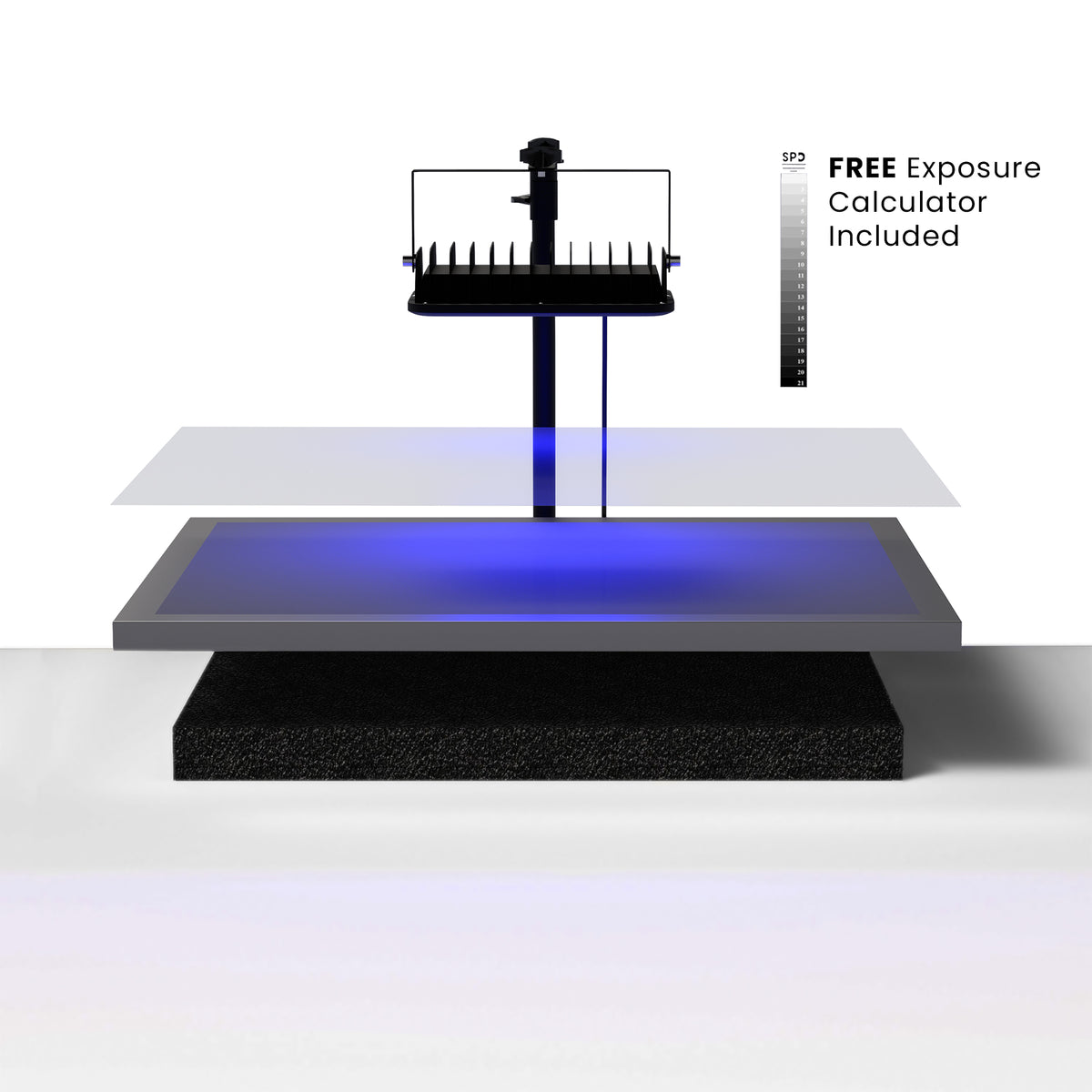
If you're not sure, coat one test screen and run an exposure calculator before you coat a full batch. It costs you one screen instead of a whole job.
| SCREENS | Coated Screens Expire Too |
Pre-coating a stack of screens is a great time saver, as long as you use them in a reasonable window. Coated screens should be stored flat or on a rack in a dark, dry, dust-free spot. Humidity is the enemy here, since moisture in the stencil leads to underexposure and breakdown.
As a general rule, try to use coated screens within a few weeks. If they've been sitting in a humid shop, give them a little extra time in the drying cabinet before you expose.
| BUY SMART | Buy for How You Actually Print |
The easiest way to never waste emulsion is to buy the right amount. If you coat a screen or two a month, a quart is plenty. If you're coating every week, a gallon makes more sense. Either way, only sensitize what you'll realistically use before it expires.
Or skip the guessing entirely and put your emulsion on a subscription, so a fresh tub shows up right when you need it.
| DISPOSAL | Getting Rid of Old Emulsion |
Don't pour it down the drain. The common approach is to spread leftover emulsion out thin (on cardboard or scrap) and let it harden in the sun, then dispose of it as solid waste. Rules vary by area, so check your local waste guidelines before tossing it.
| FAQ | Quick Answers |
Can I use emulsion after it expires?
Sometimes, but it's a gamble. Run a test screen first. If it exposes and holds up, you're good. If not, it's time for a new tub.
Does refrigerating emulsion really help?
Yes. Keeping sensitized emulsion cold can stretch its usable life to roughly double what it gets on a warm shelf.
What happens if emulsion freezes?
It usually separates and turns grainy, and it won't coat properly after thawing. Keep it in the fridge, never the freezer.
How long do I let refrigerated emulsion warm up?
Until it's fully at room temperature, usually a couple of hours. Don't rush it.
Treat your emulsion right and it'll treat your stencils right. Keep it cool, keep it dark, keep it dated, and you'll get the most out of every quart.
| Never run out, never waste a tub. Subscribe to your favorite Ecotex® emulsion and get 20% off your first order, then 10% off every order after that. Shop Emulsion Subscribe & Save → |
Screen Print Direct | Screen Printing 101 Blog | screenprintdirect.com